Fr
Fr De
De En
EnCost of living in France vs. Germany in 2026
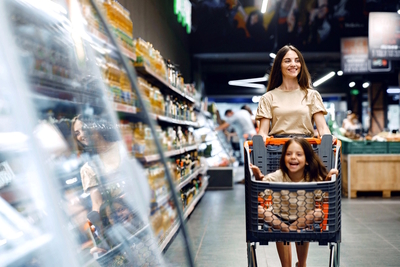
France and Germany are closely connected economically and culturally and have comparable standards of living, but there are noticeable differences in the cost of housing, food, transport and leisure activities. Here is a detailed comparison of the cost of living and purchasing power in France and Germany in 2026, based on the latest available data.
2. Housing costs
3. Everyday expenses
4. Income and purchasing power
5. Leisure, healthcare and education
6. Regional differences

Before going into detail, the following overview shows the general cost of living index, housing costs and local purchasing power in both countries.
| Indicator | Germany | France | Difference in % |
|---|---|---|---|
| Overall cost of living index | 67.98 | 66.90 | -1.59% |
| Index including housing | 46.97 | 45.73 | -2,64% |
| Consumer price index (excluding rent) | 64.64 | 73.76 | +14,11% |
| Local purchasing power | 129.97 | 113.34 | -12,80% |
| Average inflation rate (2026) | 2.9% | 3.2% | +10.34% |
📌 Analysis: The cost of living in France is slightly higher than in Germany, particularly when it comes to consumer prices. At the same time, purchasing power is noticeably higher in Germany.
Housing represents the largest expense category in both countries. Rents vary considerably between cities Paris, Munich, Lyon, but the general trends are as follows:
| Type of housing (monthly) | Germany | France | Difference in % |
|---|---|---|---|
| 1-bedroom apartment in the city centre | €1,100 | €1,150 | +4.55% |
| 1-bedroom apartment outside the city centre | €720 | €750 | +4.17% |
| 3-bedroom apartment in the city centre | €2,100 | €2,400 | +14.29% |
| 3-bedroom apartment outside the city centre | €1,350 | €1,450 | +7.41% |
| Purchase price per m² (city centre) | €7,800 | €8,900 | +14.10% |
| Purchase price per m² (outlying areas) | €4,000 | €4,500 | +12.50% |
🏠 Analysis: Housing is generally more expensive in France, particularly in major cities. While Berlin remains comparatively affordable, Munich and Frankfurt can be as expensive as Paris.

The following expenses include food, transport, personal care and various everyday services. They are highly representative of the actual cost of living for residents.
Food and basic products
| Product | Germany | France | Difference in % |
|---|---|---|---|
| Bread (500 g) | €1.60 | €1.80 | +12.50% |
| Milk (1 L) | €1.10 | €1.30 | +18.18% |
| Eggs (12) | €3.20 | €3.50 | +9.38% |
| Local cheese (1 kg) | €13.50 | €15.00 | +11.11% |
| Chicken (1 kg) | €9.20 | €10.00 | +8.70% |
| Rice (1 kg) | €2.00 | €2.20 | +10.00% |
| Local beer (0.5 L) | €1.30 | €2.00 | +53.85% |
| Mid-range wine (bottle) | €6.50 | €8.00 | +23.08% |
🍔 Analysis: Basic food products are almost consistently more expensive in France. Only a few specialities are similarly priced.
Transport
Transport costs depend on the type of journey (urban or national) and the means of transport chosen.
| Means of transport | Germany | France | Difference in % |
|---|---|---|---|
| Monthly public transport pass | €63.00 | €70.00 | +11.11% |
| Single metro/bus ticket | €2.90 | €2.10 | -27.59% |
| Petrol (1 L) | €1.91 | €2.02 | +5.76% |
| Taxi (1 km) | €2.00 | €1.80 | -10.00% |
| Annual public transport pass | €588.00 | €720.00 | +22.45% |
🚈 Analysis: Public transport is cheaper in Germany over the long term thanks to government support, although individual journeys may be more expensive.
Other everyday costs
Everyday services such as electricity, telecommunications, dining out and leisure activities account for a significant share of the monthly budget.
| Service / Product | Germany | France | Difference in % |
|---|---|---|---|
| Electricity bill (85 m², monthly) | €160 | €140 | -12.50% |
| Broadband internet | €30 | €35 | +16.67% |
| Haircut | €20 | €25 | +25% |
| Restaurant (2 people, average) | €55 | €60 | +9.09% |
| Cinema (1 ticket) | €11 | €12 | +9.09% |
📊 Analysis: Many services are somewhat more expensive in France, particularly dining out and personal care.

Median income and purchasing power adjusted for the cost of living provide a more complete picture. The following figures are estimates for 2026.
| Indicator | Germany | France | Difference in % |
|---|---|---|---|
| Average net salary | €3,000 | €2,735 | -8.83% |
| Median salary (net) | €2,750 | €2,190 | -20.4% |
| Minimum wage (gross, per hour) | €13.90 | €12.31 | -11.44% |
| Adjusted purchasing power | 106 | 100 (base) | -5.66% |
💶 Analysis: Germany remains ahead in terms of income and purchasing power. Even with slightly higher costs, the overall figures indicate a noticeable advantage for German households.
These areas influence quality of life and the perception of overall costs.
| Category | Germany | France | Difference in % |
|---|---|---|---|
| Gym membership | €35 | €40 | +14.29% |
| Mid-range restaurant | €28 | €30 | +7.14% |
| Doctor's consultation (without insurance) | €35 | €25 | -28.57% |
| University tuition fees (annual) | €0 to €600 | €170 to €900 | +33% (average) |
| Average health insurance contribution (monthly) | €200 | €150 | -25% |
🔎 Analysis: Education is less expensive in Germany, while healthcare costs are higher because they are financed to a greater extent through social security contributions.

The differences within each country are considerable. Here is a simplified comparison of four major cities:
| City | Cost of living index (100 = Berlin) | Average rent for a 1-bedroom apartment (city centre) | Difference in % |
|---|---|---|---|
| Berlin | 100 | €1,000 | 0% |
| Munich | 120 | €1,450 | +45% |
| Paris | 127 | €1,500 | +50% |
| Lyon | 105 | €1,050 | +5% |
📍 Analysis: Compared with Berlin, the cost of living is around 20% higher in Munich and around 27% higher in Paris. Lyon remains relatively close to Berlin in terms of costs, while southern German metropolitan areas are among the most expensive regions in the German-speaking world.
Find out more:
- Minimum wage in France (SMIC): Rates & regulations
- Legal minimum wage in Germany: Rates & regulations
- Minimum wage in Europe: Country ranking

Olivier Geslin





Suggested articles on the same topic