Fr
Fr De
De En
EnCareers in France: Guide for international professionals

France is one of Europe's strongest economies, offering international professionals attractive career opportunities, competitive salaries and a high quality of life. This guide provides an overview of the French job market, in-demand sectors, workplace culture, living costs and key factors for a successful career move to France.
2. Working life in France
3. Cost of living and financial planning
4. Building a successful career in France
5. Choosing France for your next career move

France offers attractive employment prospects across a wide range of industries. The country is known for its strengths in finance, aerospace, luxury goods, tourism, healthcare, and digital innovation, while demand continues to grow in technology, renewable energy, engineering, and scientific research.
International professionals are increasingly sought after in France, with employers particularly valuing specialist expertise, international experience, and multilingualism in candidates.
Some of the sectors international professionals may want to consider include:
- IT and software development
- Engineering and manufacturing
- Healthcare
- Renewable energy
- Logistics and supply chain management
- Data science and AI
- Financial services
- Scientific research
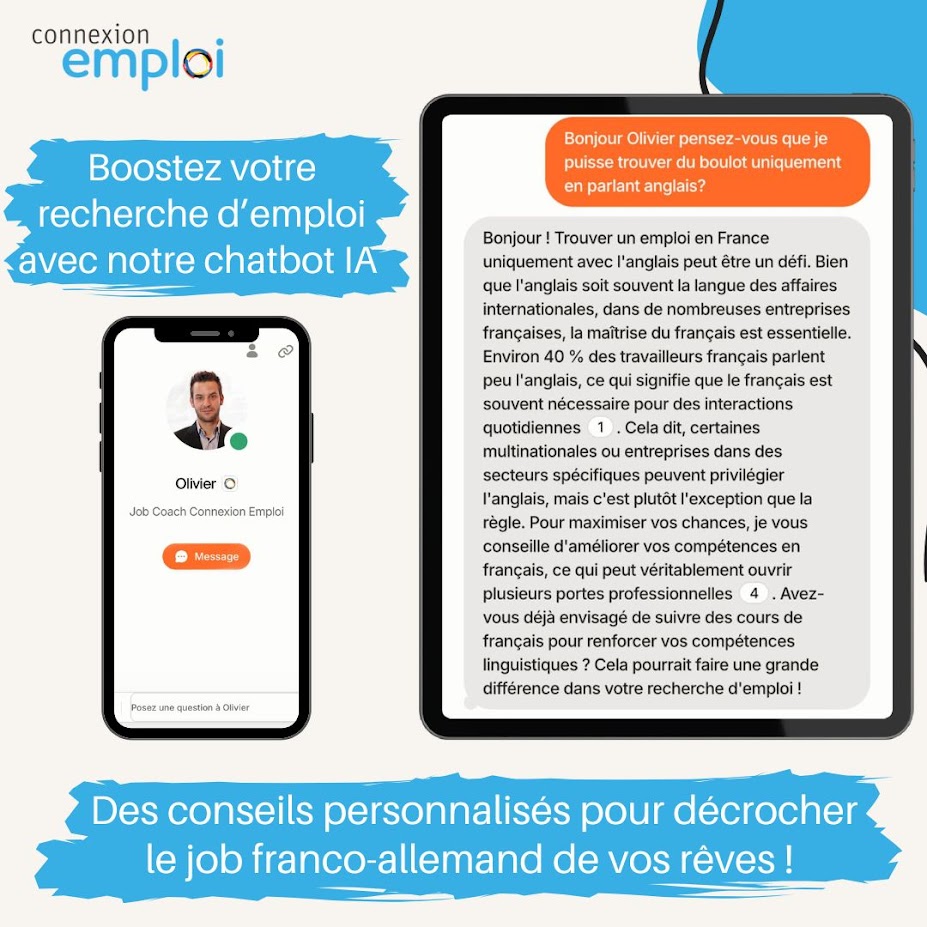
Many multinational companies operate in English, particularly in larger cities like Paris and Lyon. However, speaking French can significantly improve your chances of securing a role with a domestic employer, as well as potentially fast-tracking your career progression.
ℹ️ Advice: The official website of the European Union has helpful advice and linked resources to help you get started with learning French.
France has a distinctive workplace culture that combines professionalism with a strong emphasis on work-life balance. While the standard working week is 35 hours, many employees work additional hours depending on their role and industry. At the same time, paid holiday entitlement is generous, and in France, the entire month of August is traditionally taken off work as holiday, according to this expat guide.
When considering a career in France, it's a good idea to think about:
- Typical working hours
- Holiday entitlement
- Employment contracts
- Professional development opportunities
- Workplace communication styles
- Career progression pathways
Rather than focusing solely on salary, it's important to consider whether the working environment aligns with your professional goals and personal preferences. You may also want to connect with other international professionals and expats through local groups or social media to gain insights into working life in France, as well as advice on favoured companies and application tips.
Taking the opportunity to observe how colleagues collaborate, ask questions, and approach meetings can help you settle in more quickly. If you give yourself a little time to familiarise yourself with workplace expectations in France, you're likely to feel more confident in your new role.
👉 Remember: You never know exactly how you’ll feel in your new role until you’ve actually taken that leap of faith and made the move abroad. Many international professionals find that adjusting to a new workplace takes time, particularly when adapting to different communication styles and ways of working.

It's important to consider salaries alongside living expenses. Major cities such as Paris generally have higher housing costs than smaller towns and cities, although salaries often reflect these differences.
Before accepting a job offer, it's crucial to prepare a realistic monthly budget that includes accommodation, transport, food, insurance, and leisure activities. It's also important to understand the French tax system and social security contributions, as these will directly affect your take-home pay.
📌 Advice: Many professionals relocating from abroad also maintain financial commitments in their home countries, often to support parents, pay education expenses, or contribute to household costs abroad. If you're planning to send money internationally, make sure to choose a reliable and cost-effective service to maximise the value of each transfer.
Relocating successfully involves more than just securing a job offer. Professionals who adapt to life in France most quickly often invest time in understanding local customs, expanding their professional networks, and continuously developing new skills.
Networking plays an important role in France. Attending industry conferences, joining professional associations, and participating in local business events can result in valuable career opportunities that you may not find on traditional job boards.
To strengthen your long-term career prospects:
- Work on your French language skills
- Keep any professional qualifications you have up to date
- Build relationships both inside and outside of your workplace
- Stay informed about the latest industry developments
- Work on developing both technical and soft skills
- Understand local business etiquette and cultural expectations
💡 Advice: By demonstrating adaptability, cultural awareness, and a willingness to learn, you'll be more likely to stand out from other international professionals in the French job market.

France offers excellent prospects in finance, healthcare, luxury industries, research, engineering, technology, and creative sectors. Alongside diverse career opportunities, it provides access to a high quality of life, comprehensive public services, and a rich cultural environment.
Factors such as career growth, workplace culture, language requirements, housing, healthcare, and financial planning all influence how happy you'll ultimately be in your new destination.
✅ Advice: By taking time to research employers, understand local expectations, and prepare your finances before relocating, you'll be setting yourself up for a smooth transition.
Further information:
- Sales salaries in France and Germany
- Recruitment in France and Germany: 7 best practices
- These are the new recruiting trends in France

Olivier Geslin










Suggested articles on the same topic