Fr
Fr De
De En
EnCost of living, salaries & purchasing power in Belgium 2026
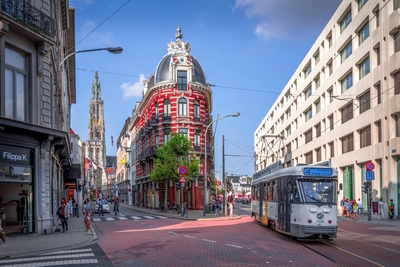
Located between France, Germany and the Netherlands, Belgium is attractive thanks to its cultural proximity to France, its international job market and its renowned quality of life. However, living in Brussels, Antwerp or Liège does not require the same budget as living in Paris, Lille or Strasbourg. We take a look at the differences between Belgium and France in 2026, particularly in terms of income, housing, food and transport.
2. Expenses in Belgium
3. Monthly budget required in Belgium
4. Purchasing power in major Belgian cities
5. Living and working in Belgium: key advantages
According to the latest studies by the OECD:
In Belgium, the average annual gross salary is around €50,000, or just over €4,100 per month. The average monthly net income is around €2,900, depending on the individual's tax situation and social security scheme.
The minimum wage in Belgium is €2,112 gross per month, placing it among the highest statutory minimum wages in Europe.
Belgium has a relatively high level of taxation and social security contributions, which has a significant impact on the net income available to employees.
💡 Good to know: Overall, Belgium combines high gross salaries with a comparatively strong social protection system, while the actual disposable income varies depending on the employee's tax situation, household composition and other personal circumstances.
The cost of living in Belgium varies depending on your location and lifestyle, with housing, food, transport and healthcare accounting for the largest share of monthly expenses.
Rent and utilities: Housing in Belgium is one of the largest household expenses, with costs varying significantly by location. A studio in central Brussels costs around €950–€1,000 per month, while a 2–3-room apartment in Brussels or Antwerp typically ranges from €1,200 to €1,600. Utilities, including heating, electricity, water and internet, add around €200–€250 per month.
Food: Food expenses in Belgium average around €350–€400 per month for one adult. Imported products, meat and dairy tend to be more expensive, while fruit, vegetables and locally produced beer are generally more affordable..
Transport: Public transport passes in Brussels cost around €55–€60 per month. For drivers, petrol and diesel prices are relatively moderate, although they vary depending on market conditions.
Healthcare and health insurance: Health insurance is compulsory in Belgium and is provided through mutual health insurance funds. Medical consultations typically cost around €25–€35, with part of the cost reimbursed. Overall healthcare expenses depend on the treatment, healthcare provider and level of reimbursement.
Leisure, clothing and subscriptions: Leisure activities such as restaurants, cinema and sports cost around €50–€150 per month, depending on lifestyle. Internet and mobile phone services cost approximately €35–€40 per month, while clothing and personal care expenses vary according to individual consumption habits.
The table below provides an estimate of the monthly budget required to live in Belgium in 2026, highlighting the main expenses for a single person, a couple or a family.
| Single person | Couple | Family | |
|---|---|---|---|
| Rent and utilities | €1,200 | €1,700 | €2,100 |
| Food | €375 | €750 | €1,050 |
| Transport | €60 | €120 | min. €120 |
| Healthcare | included in salary | included in salary | included in salary |
| Internet and mobile | €35 | €50 | €60 |
| Leisure and clothing | €250 | €500 | €700 |
| Total per month | ~€1,950 | ~€3,200 | ~€3,800 |
📊 In summary: An average Belgian household should budget around €3,800 to €4,000 per month for a comfortable standard of living. This is comparable to the cost observed in major French cities, but with slightly higher purchasing power thanks to higher salaries.
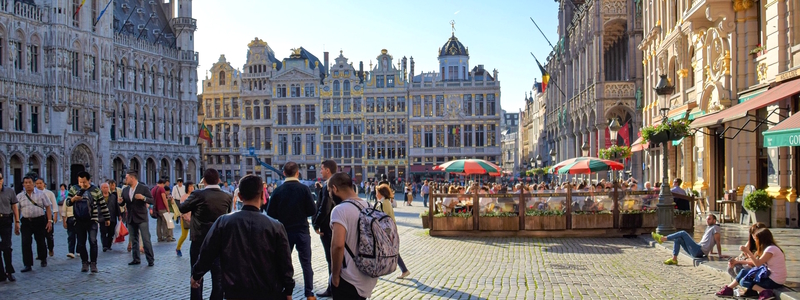
According to Numbeo, Brussels has higher purchasing power than Paris but is close to Lyon, particularly thanks to a better balance between salaries and rent.
- Brussels: high rents, but affordable public transport and numerous international institutions that contribute to higher salaries.
- Antwerp and Ghent: cost of living 10 to 15% lower than in Brussels, with a more affordable housing market.
- Liège and Charleroi: lower rents, but average salaries are also lower.
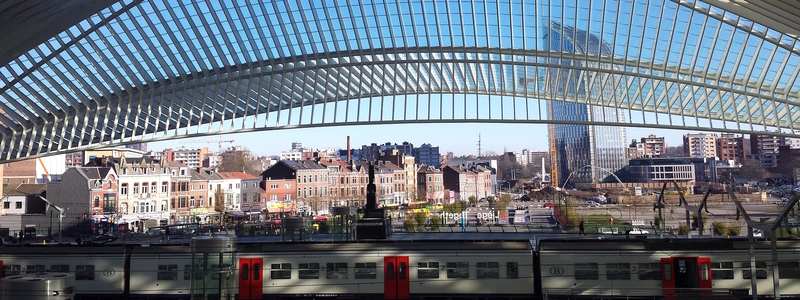
Belgium is particularly attractive to French nationals looking to combine geographical proximity with higher salaries. The neighbouring country attracts many cross-border workers and expatriates thanks to:
- an internationalised job market, particularly in Brussels (European institutions, NGOs and multinational companies)
- an efficient and accessible healthcare system
- a reliable public transport network and excellent rail connections with major European cities
- a balanced quality of life, combining French-speaking culture with Dutch and German influences.
Find out more:
- Job boards in Belgium: The best portals
- Minimum wage in Europe: Country ranking
- Average salary in Europe: Country ranking

Olivier Geslin








Vorgeschlagene Artikel zum gleichen Thema